 Day Tours from Tokyo
The Best 3 Day Trip from Tokyo: Kyoto and Nara
A 3 day trip from Tokyo gives you enough time for Kyoto, Nara and the Shinkansen ride between them, without the 5 a.m. panic of a single-day dash. This guide builds the route step by step: the Nozomi bullet train down, two days of Kyoto temples and gates, a day in Nara with the deer, and the ride back. If you would rather let someone else handle the trains, the day tours from Tokyo listed on this site cover shorter versions of the same trips. The bookable tours are compared on all day tours from Tokyo.
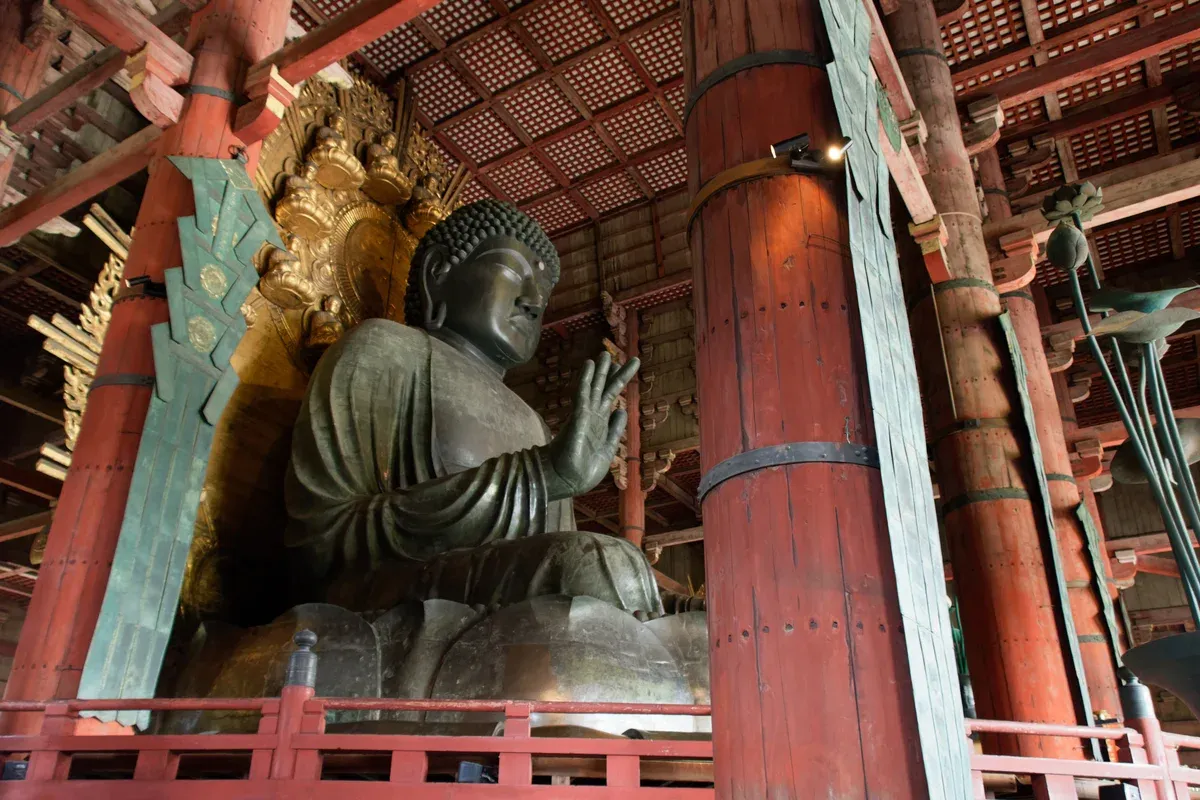
The Great Buddha of Todaiji in Nara sits inside the Great Buddha Hall. Photo: Gilles Desjardins, CC BY-SA 4.0, via Wikimedia Commons
Quick answer The 3-day route in brief
The strongest 3 day trip from Tokyo is Kyoto and Nara by Shinkansen, with the Nozomi covering Tokyo to Kyoto in about 140 minutes each way. Day one and day two cover Kyoto, day three runs out to Nara by JR train and returns to Tokyo in the evening. A reserved Nozomi seat costs 14,170 yen one way, and most temple fees in Kyoto and Nara run from nothing to 800 yen, with Nijo Castle's palaces costing more. If mountains suit you better than temples, Fuji Five Lakes plus Hakone works as the same three-day shape with an onsen night.
Key takeaways
- Follow the day-by-day plan in the Kyoto and Nara itinerary.
- Add up every fare and entry in the three-day cost table.
- Prefer mountains? See the Fuji and Hakone three-day variant.
- Short on time? The one-day Kyoto tour by bullet train compresses the city into 12 hours.
Why Kyoto Needs More Than a Day from Tokyo
Kyoto is reachable in a day from Tokyo, but a day and three days deliver very different trips. Here is the honest arithmetic.
What a Single Day Actually Buys You
The one-day option is real. The Kyoto 1-day English-guided tour by bullet train runs 12 hours and costs $443.95. The price covers the round-trip bullet train fare between Tokyo and Kyoto, lunch and the afternoon sightseeing tour, but temple entry fees are not stated in the listing and there is no hotel pickup. Note the rating too, 4.1 from 387 reviews, the lowest among the tours on this site. A one-day visit has to fit the train rides each way and an afternoon sightseeing tour into 12 hours.
Three days changes the shape of the trip. You get a full day for the eastern temple belt, a full day for the north and west, and a third day for Nara. You also ride at civilised hours instead of racing the first train out.
What the Third Day Adds
Nara is the reason the third day earns its keep. The JR Miyakoji Rapid covers Kyoto to Nara in 45 minutes for 720 yen and runs every 30 minutes, so the transfer is short. There you get Todaiji and its 15-metre Great Buddha, a park that is free to enter, and Kofukuji's grounds are free too. Kyoto alone cannot supply that.
The third day also protects the first two. A rail delay, a closed palace room or a rainy morning stops being a disaster when the plan holds three full days. If you are weighing a shorter version, compare this route with two-day trips from Tokyo, and for trips that fit inside one long day entirely, see free day trips from Tokyo by train.
Sources: Tokyo to Kyoto Shinkansen guide, Japan Rail Pass prices, Nijo Castle admission, Nara Park and Todaiji
Kyoto and Nara in 3 Days from Tokyo
A day-by-day plan with the sights grouped by district.
-
Day 1, morning
Take the Nozomi from Tokyo to Kyoto
The Tokaido Shinkansen Nozomi takes about 140 minutes from Tokyo to Kyoto. A reserved regular seat costs 14,170 yen and an unreserved seat 13,320 yen, and booking through Smart EX brings the reserved fare to 13,970 yen. The Nozomi runs up to 12 departures an hour between Tokyo and Shin-Osaka, so check the timetable for the first and last departures.
-
Day 1, early afternoon
Kiyomizu-dera and the eastern hills
Bus 206 from Kyoto Station to the Gojo-zaka or Kiyomizu-michi stop takes about 15 minutes for 230 yen, then it is a ten minute uphill walk. Kiyomizu-dera charges 500 yen, opens 6:00 to 18:00, or 18:30 in July and August, and has no closing days. Plan 30 to 60 minutes at the temple. During evening illuminations in the cherry blossom and autumn leaf seasons it stays open until 21:30 with entry until 21:00.
-
Day 1, late afternoon
Kinkaku-ji, the Golden Pavilion
Kyoto City Bus 205 from Kyoto Station to Kinkaku-ji takes about 40 minutes for 230 yen. The faster route is the Karasuma subway to Kitaoji in 15 minutes for 260 yen, then bus 204 or 205 for 10 minutes at 230 yen. Kinkaku-ji charges 500 yen, opens 9:00 to 17:00 and has no closing days. Plan 15 to 45 minutes, which leaves the rest of the afternoon loose.
-
Day 1, evening
Gion Corner in the evening
Gion Corner runs short showcase performances of traditional arts at 18:00 and 19:00, and tickets cost 5,500 yen. It is a compact way to sample several arts in one sitting after a day of temples. Some shows are suspended on certain dates, so confirm locally before counting on it.
-
Day 2, morning
Fushimi Inari at opening
Fushimi Inari is always open, has no closing days and charges no admission, which makes it the easiest early start in Kyoto. It sits just outside JR Inari Station, 5 minutes and 150 yen from Kyoto Station on the JR Nara Line. The full hike to the summit and back takes about 2 to 3 hours, and many visitors turn back at the Yotsutsuji intersection after a 30 to 45 minute climb.
-
Day 2, midday
Nijo Castle and the palace rooms
Nijo Castle opens at 8:45 with entry until 16:00, and the Ninomaru Palace admits visitors from 8:45 to 16:10. Admission is 800 yen for the castle alone or 1,300 yen with the Ninomaru Palace. The Honmaru Palace costs 1,000 yen on its own and both palaces together cost 2,300 yen. Check the closure calendar, because the Ninomaru Palace closes every Tuesday in January, July, August and December and the Honmaru Palace closes on the third Monday of each month and the day after.
-
Day 2, afternoon
Arashiyama bamboo groves and Tenryuji
The JR Sagano Line runs from Kyoto Station to Saga-Arashiyama in 15 minutes for 240 yen. The bamboo groves and the Togetsukyo Bridge are free to enter. Tenryuji opens 8:30 to 17:00 and charges 500 yen for the garden plus 300 yen for the buildings. If you want more, Okochi Sanso Villa behind the groves charges 1,000 yen and Monkey Park Iwatayama costs 800 yen.
-
Day 2, evening
Back to central Kyoto
Hankyu from Arashiyama back to central Kyoto takes about 20 minutes for 240 yen, and the Keifuku line takes 20 minutes for 250 yen. In summer, cormorant fishing cruises on the river at Arashiyama cost 3,000 yen and run daily at 19:00 and 20:00 from 1 July to 15 August.
-
Day 3, morning
The rapid train to Nara
The JR Miyakoji Rapid runs from Kyoto to Nara every 30 minutes, takes 45 minutes and costs 720 yen. JR local trains cost the same 720 yen but take 75 minutes, and the Japan Rail Pass covers both JR options. If you prefer Kintetsu, the express takes about 45 minutes for 760 yen and the limited express about 35 minutes for 1,280 yen, but the Japan Rail Pass is not valid on Kintetsu trains.
-
Day 3, midday
Todaiji and the Great Buddha
The Todaiji Great Buddha Hall opens 7:30 to 17:30 from April to October and 8:00 to 17:00 from November to March. Admission is 800 yen for adults and 400 yen for children aged 6 to 12, or 1,200 yen and 600 yen combined with the Todaiji museum. The seated Great Buddha is 15 metres tall. Allow at least 1 to 2 hours for the main hall and grounds, and note that Nigatsu-do is accessible at any time without a fee.
-
Day 3, afternoon
Nara Park, the deer and Kofukuji
Nara Park itself is free to enter, and deer crackers cost around 200 yen near the Todaiji entrance. Kofukuji's grounds are free as well, and the temple sits 5 minutes from Kintetsu Nara Station or 20 minutes from JR Nara Station. The five-storied pagoda stands 50 metres tall but is under renovation, so expect scaffolding. The Nara National Museum charges 700 yen for adults and is free for visitors under 18.
-
Day 3, evening
The Shinkansen back to Tokyo
Return to Kyoto Station and board the Nozomi back, a run of about 140 minutes at the same fares as the way down. Check the current timetable for the last departure from Kyoto before you fix an evening train. If you hold a Japan Rail Pass, remember the Nozomi needs the separate Nozomi Mizuho Ticket, covered in the cost section below.
What 3 Days Cost in Trains and Entry
Every fare, pass and entry fee on this route. Temple fees are small next to the Shinkansen fare.
The Full Cost Table
The table lists one-way Shinkansen fares, the passes that interact with them, and each entry fee from the itinerary. Sums and totals are left to you, because fares change and combinations differ per traveller.
| Item | Price | Note |
|---|---|---|
| Nozomi Tokyo-Kyoto, reserved seat | 14,170 yen | One way, regular car |
| Nozomi Tokyo-Kyoto, unreserved | 13,320 yen | One way |
| Nozomi via Smart EX | 13,970 yen | Reserved seat booked online, 200 yen below the counter price |
| Nozomi Green Car, Tokyo-Kyoto | 19,040 yen | One way |
| Hikari or Kodama, Tokyo-Kyoto | 320 yen cheaper than the Nozomi | Reserved seats, about 160 minutes for the Hikari |
| 7-day Japan Rail Pass, ordinary | 50,000 yen | Bought online, 53,000 yen through an overseas agency |
| Nozomi Mizuho Ticket for JR Pass holders | 4,960 yen | Separate ticket, Tokyo to Kyoto or Shin-Osaka |
| Bus 206 or 205 in Kyoto | 230 yen | Per ride, Kyoto Station area |
| Karasuma subway to Kitaoji | 260 yen | Plus 230 yen for the onward bus |
| Kiyomizu-dera | 500 yen | Open 6:00 to 18:00, 18:30 in July and August |
| Kinkaku-ji | 500 yen | Open 9:00 to 17:00 |
| Nijo Castle | 800 yen | 1,300 yen with Ninomaru Palace, 2,300 yen for both palaces |
| Fushimi Inari | Free | Open at all times |
| JR Nara Line to Inari | 150 yen | 5 minutes from Kyoto Station |
| JR Sagano Line to Saga-Arashiyama | 240 yen | 15 minutes |
| Tenryuji | 500 yen | Garden, plus 300 yen for the buildings |
| JR Miyakoji Rapid, Kyoto-Nara | 720 yen | 45 minutes, covered by the Japan Rail Pass |
| Kintetsu express, Kyoto-Nara | 760 yen | About 45 minutes, JR Pass not valid |
| Kintetsu limited express, Kyoto-Nara | 1,280 yen | About 35 minutes |
| Todaiji Great Buddha Hall | 800 yen | 400 yen for children aged 6 to 12 |
| Todaiji Hall and museum combined | 1,200 yen | 600 yen for children |
| Nara Park and Kofukuji grounds | Free | Deer crackers around 200 yen |
| Nara National Museum | 700 yen | Free under 18 |
| Gion Corner | 5,500 yen | Shows at 18:00 and 19:00 |
The JR Pass and the Nozomi Rule
The rule that catches visitors is simple. The 7-day ordinary Japan Rail Pass costs 50,000 yen bought online, but on the Tokaido Nozomi and Mizuho the pass holder needs a special ticket issued only to Japan Rail Pass holders, the Nozomi Mizuho Ticket, which costs 4,960 yen from Tokyo to Kyoto or Shin-Osaka. On this three-day route the pass only matters if you also ride JR trains elsewhere, because it covers the JR Miyakoji Rapid to Nara at no extra charge. On Kintetsu trains it is not valid at all.
If your whole trip is just Tokyo, Kyoto, Nara and back, compare the pass against two plain Nozomi return tickets before buying anything. Booking the reserved seat through Smart EX at 13,970 yen already shaves 200 yen off each direction against the counter price.
| Option | Price | Where it applies |
|---|---|---|
| Nozomi Mizuho Ticket | 4,960 yen | Tokyo to Kyoto or Shin-Osaka, on top of the JR Pass |
| Smart EX reserved seat | 13,970 yen | Nozomi Tokyo-Kyoto, booked online |
| JR Miyakoji Rapid with the JR Pass | Covered | Kyoto to Nara, every 30 minutes |
| Kintetsu trains with the JR Pass | Not valid | Kyoto to Nara alternatives |
3 Days in Kyoto + Nara: Full Itinerary
A three-day Kyoto and Nara route with what it costs. Third-party video by Escape the Map. This site did not shoot it and has no relationship with the creator.
Three Days at Fuji and Hakone Instead
If temples lose to mountains, run the same three-day shape in the opposite direction: the Fuji Five Lakes first, then Hakone and an onsen night.
Day One, Shinjuku to Kawaguchiko
Fujikyu's highway bus from Busta Shinjuku to Kawaguchiko Station takes about 1 hour 45 minutes and fares start at 2,200 yen, or 2,000 yen when booked online. Reservations open one month before travel and close 10 minutes before the first departure. By train, the Shinjuku-Otsuki limited express takes 70 minutes at 2,430 yen and the Fujikyu Railway on to Kawaguchiko takes 55 minutes at 1,170 yen, while the direct limited express between Shinjuku and Kawaguchiko takes about two hours, runs a few times a day and requires a seat reservation.
The JR Tokyo Wide Pass, 16,000 yen for three consecutive days and sold only to non-Japanese passport holders, covers the whole Tokyo-Kawaguchiko journey.
Day One Afternoon, the Lake Sights
Kawaguchiko's red loop bus line runs every 15 minutes and the green Saiko line every 30 minutes, and the Saiko Motosuko pass costs 1,500 yen for one day or 2,000 yen for two. The Mt Fuji Panoramic Ropeway costs 1,000 yen round trip or 600 yen one way and departs every 5 to 10 minutes, running 8:30 to 17:00, until 18:00 from 20 July to 31 August. A bus from Kawaguchiko Station to the ropeway station takes 15 minutes. Chureito Pagoda is free, sits nearly 400 steps up from Arakura Sengen Shrine and is reached via Shimo-Yoshida Station, 10 minutes and 310 yen from Kawaguchiko, then a fifteen minute walk. Plan 30 to 45 minutes there.
For the evening, Fujiyama Onsen next to Fuji-Q Highland opens 6:30 to 9:00 and 10:00 to 23:00 and costs 800 yen in the morning, up to 2,000 yen on weekends, and Hotel Mifujien opens its baths to day visitors 13:00 to 21:00 for 1,200 yen. Overnight rates vary by property.
Day Two, Over to Hakone
The simple route from Kawaguchiko to Hakone runs back through Shinjuku. From Shinjuku, the Odakyu Romancecar takes about 80 minutes to Hakone-Yumoto with all seats reserved, for a surcharge of 1,200 yen for adults on top of a regular fare ticket. Buy the Hakone Freepass at the same time: 7,100 yen for adults for 2 days or 7,500 yen for 3 days, and a 2-day Freepass plus the Romancecar totals 8,300 yen. The Freepass covers the Tozan train, Tozan cable car, Hakone Ropeway, the Sightseeing Cruise on Lake Ashi and designated buses, and the Shinjuku version includes the Shinjuku-Odawara round trip.
The Tozan train from Hakone-Yumoto to Gora takes 35 minutes through three switchbacks. The ropeway runs on to Togendai and the cruise crosses Lake Ashi in about 25 to 35 minutes between ports, though both stop in bad weather. In the evening, Tenzan day-use onsen costs 1,450 yen and opens 9:00 to 23:00, Hakone Yuryo is another day-use option, and Kappa Tengoku is the cheapest at 900 yen, five minutes on foot from the station.
Day Three, the Lake and the Ride Back
Spend the morning at Hakone-machi or Moto-Hakone. Hakone Shrine is a 5 to 10 minute walk from Moto-Hakone pier, and the Hakone Checkpoint charges 500 yen, or 400 yen with the Freepass, opening 9:00 to 17:00. The Open-Air Museum, showing about 120 sculptures in a garden of roughly 70,000 square metres, costs 2,000 yen for adults or 1,900 yen with the Freepass and opens 9:00 to 17:00.
Then ride the Romancecar back to Shinjuku, about 80 minutes, adding the 1,200 yen surcharge again. Mt Fuji views from Hakone have lower odds than at the Five Lakes, so treat any clear sighting as a bonus rather than a plan.
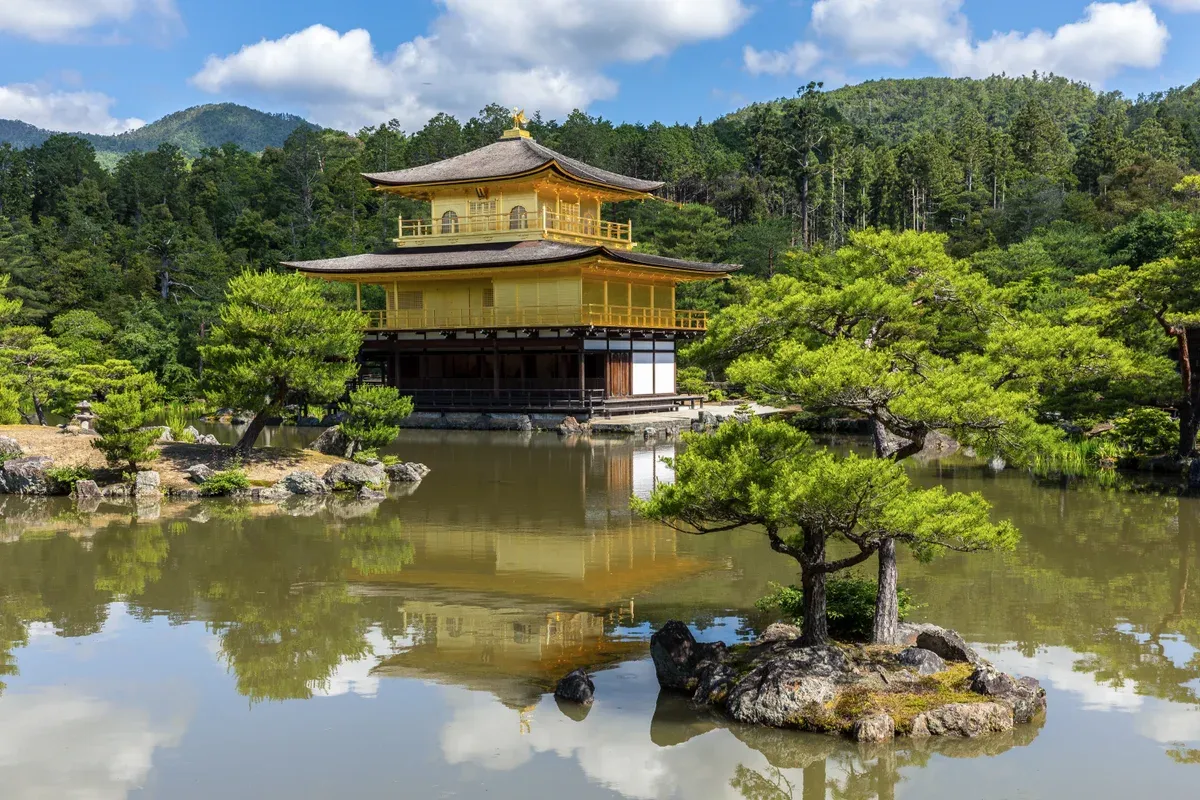
Kinkaku-ji, the Golden Pavilion, is reflected in its garden pond in Kyoto. Photo: Basile Morin, CC BY-SA 4.0, via Wikimedia Commons
Prefer One-Day Tours?
Three days is not the only way. A guided day tour strips out the planning and the luggage logistics, at the cost of long hours and fixed routes.
What the Tours Cover and What They Skip
For Kyoto, the Kyoto 1-day English-guided tour by bullet train costs $443.95, runs 12 hours and includes the round-trip bullet train, lunch and an English-licensed guide, but not temple entry fees and no hotel pickup. For mountains, the Mt Fuji and Hakone day tour with the bullet train back costs $159.54 over 11 hours and includes the Hakone Ropeway fee, the Lake Ashi cruise fee and the bullet train ticket back to Tokyo Station, with lunch only as a paid option. For temples closer to Tokyo, the Nikko Toshogu Shrine and Kegon Waterfall day tour costs $110 over 10.5 hours and includes the Toshogu entry ticket but not lunch.
Be honest about the shape of these days. The three run 10.5 to 12 hours, and the Nikko coach ride alone is about 2.5 hours out and 3 hours back. They work well as a taste test. They do not replace what a 3 day trip from Tokyo gives you in Kyoto and Nara. For the full tour spread, browse the site's day tours from Tokyo and compare the rest of the day trips from Tokyo.
Where to Sleep on a 3-Day Trip
Two nights on the Kyoto route are easiest in one base near Kyoto Station, with Nara as a day out. For the Fuji and Hakone route, split the nights between the lakes and the onsen town.
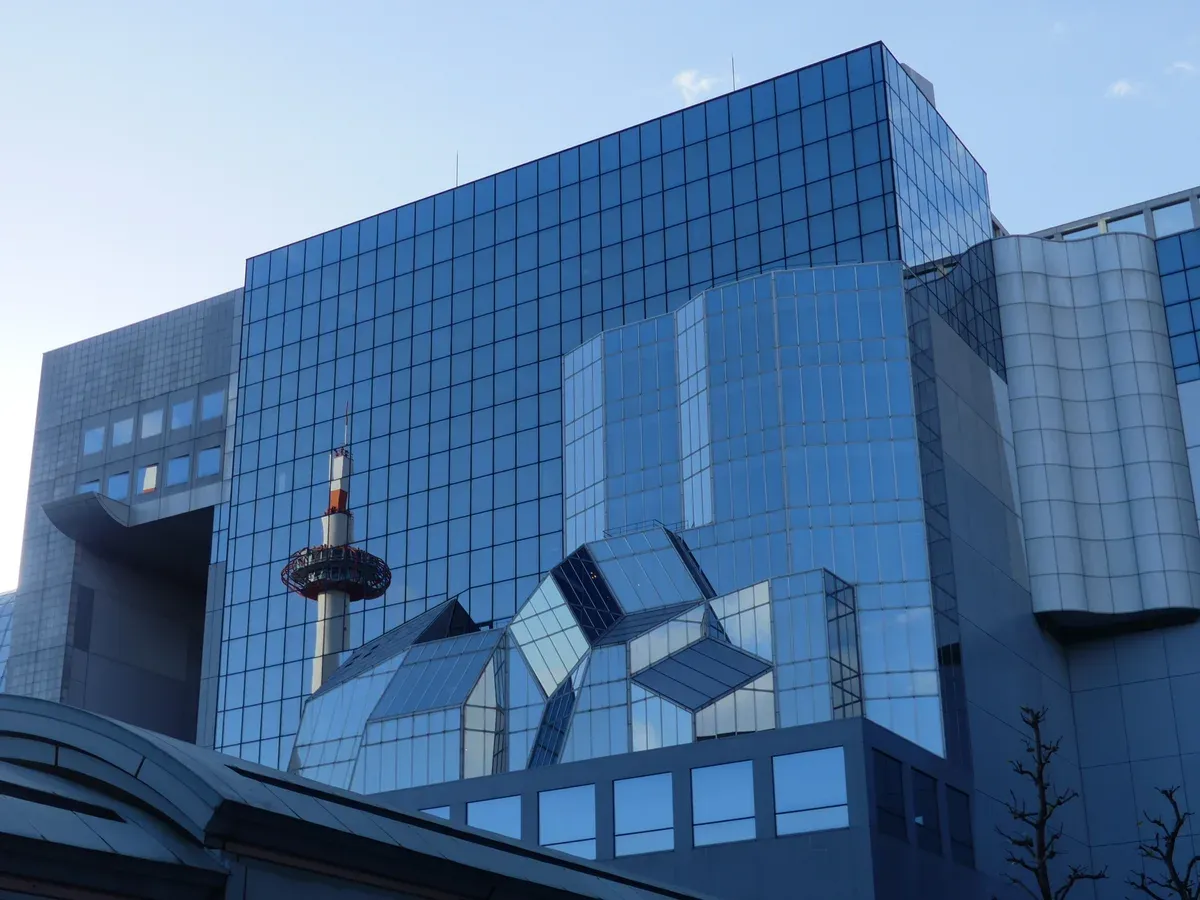
Kyoto Station area
- Suits
- Kyoto and a day out to Nara
The Nozomi from Tokyo takes about 140 minutes.
See stays in Kyoto Station area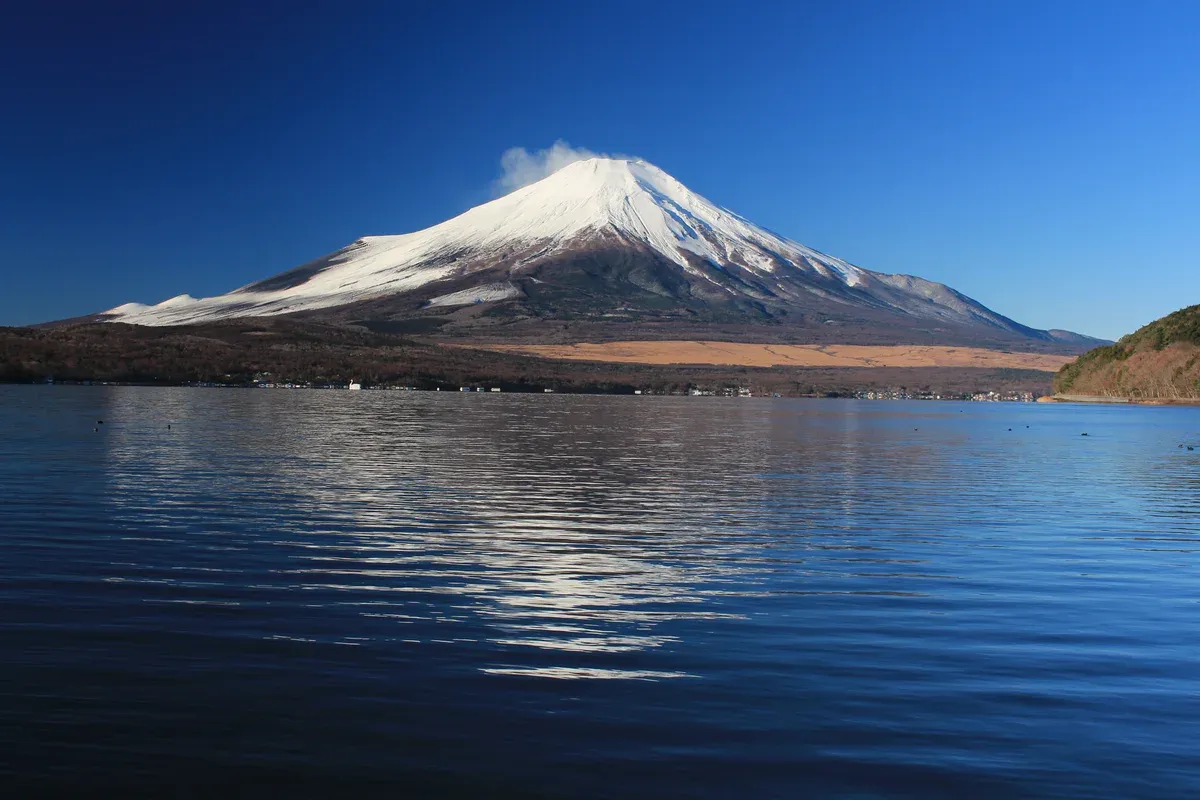
Kawaguchiko
- Suits
- Night one on the Fuji and Hakone route
The highway bus from Busta Shinjuku takes about 1 hour 45 minutes.
See stays in Kawaguchiko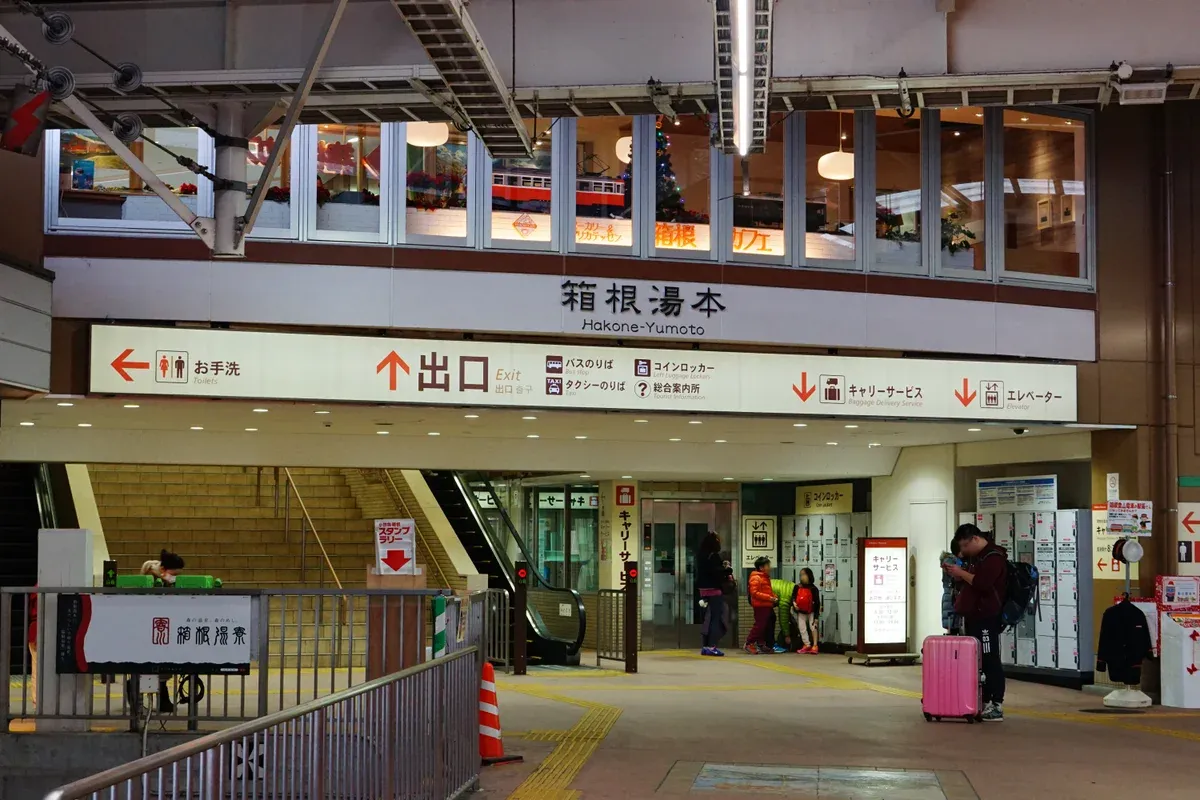
Hakone-Yumoto
- Suits
- Night two, with the Hakone loop on the Freepass
The Romancecar back to Shinjuku takes about 80 minutes.
See stays in Hakone-Yumoto3-Day Trips from Tokyo: Questions
What is the best 3 day trip from Tokyo?
Kyoto and Nara by Shinkansen is the strongest three-day route. The Nozomi takes about 140 minutes from Tokyo to Kyoto, day three runs out to Nara by the JR Miyakoji Rapid in 45 minutes for 720 yen, and most temple fees run from nothing to 800 yen, with Nijo Castle's palaces costing more. The full plan is in the three-day itinerary.
How much does the Shinkansen from Tokyo to Kyoto cost?
A reserved regular seat on the Nozomi costs 14,170 yen one way and an unreserved seat 13,320 yen, while booking through Smart EX brings the reserved fare to 13,970 yen. Hikari and Kodama reserved seats are 320 yen cheaper, with the Hikari taking about 160 minutes. All the fares sit in the cost table.
Is a Japan Rail Pass worth it for a 3 day trip from Tokyo to Kyoto?
Only if you hold one already or ride JR trains beyond this route. The 7-day ordinary pass costs 50,000 yen online, and it does not cover the Nozomi without the separate Nozomi Mizuho Ticket at 4,960 yen from Tokyo to Kyoto. It does cover the JR Miyakoji Rapid to Nara, but it is not valid on Kintetsu trains.
Can you do Kyoto and Nara in three days from Tokyo?
Yes, and it is a comfortable pace. Two days cover Kiyomizu-dera, Kinkaku-ji, Nijo Castle, Fushimi Inari and Arashiyama, and day three runs to Nara for Todaiji, where adults pay 800 yen and the hall opens 7:30 to 17:30 from April to October. Follow the day-by-day plan.
Can you visit Nara as a day trip from Kyoto instead of staying there?
Yes, easily. The JR Miyakoji Rapid runs every 30 minutes and takes 45 minutes for 720 yen, and it is covered by the Japan Rail Pass. The Kintetsu express takes about 45 minutes for 760 yen and the limited express about 35 minutes for 1,280 yen, so no overnight in Nara is needed.
Can you do a 3 day trip from Tokyo without Kyoto?
Yes. The Fuji Five Lakes and Hakone route works in the same three days: the Shinjuku to Kawaguchiko highway bus takes about 1 hour 45 minutes from 2,200 yen, then the Hakone Freepass at 7,100 yen for 2 days covers the Tozan train, ropeway and Lake Ashi cruise, with day-use onsen from 900 yen. See the Fuji and Hakone variant, or if three days is too long, the two-day trip guide.